Wine Aromas: Types and Tips for Identifying Them
Wine first captures our attention through its appearance and wins us over with its flavour. Yet before it reaches the palate, it has already begun telling its story through its aromas. Much of the pleasure of wine starts with what we smell.
But how many different types of wine aromas are there? Have you ever heard of aromatic families? In this article, we’ll guide you through the fascinating world of wine aromas, helping you understand what to look for the next time you lift a glass to your nose.
How to Approach the Nose During a Wine Tasting
Recognising wine aromas is, above all, a matter of practice, curiosity and paying close attention.
Follow these simple steps during a tasting to train your sense of smell, discover new nuances and gain a deeper understanding of every glass.
Smell the wine before swirling
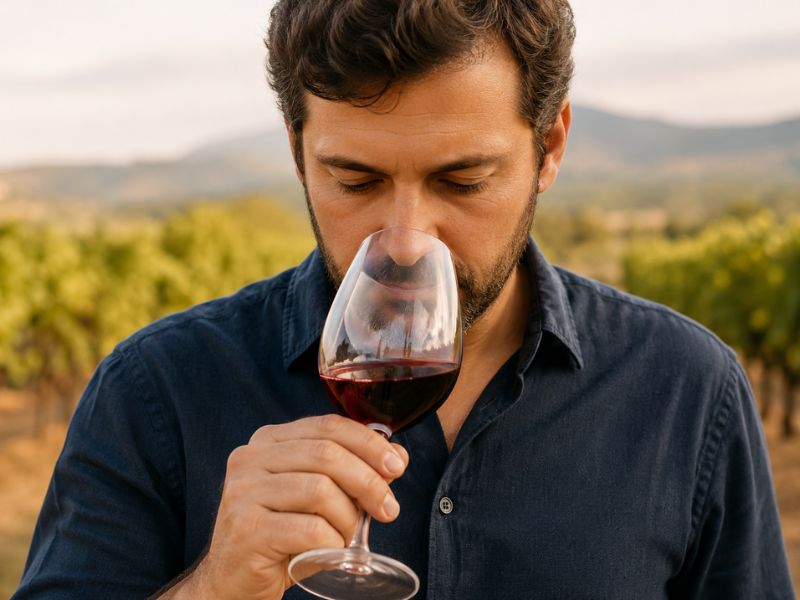
Bring the glass to your nose without moving it. Smelling the wine at rest allows you to detect its most delicate and volatile aromas.
Swirl the wine gently
A gentle swirl introduces oxygen into the wine, encouraging it to release a wider range of aromas, often becoming more expressive and intense.
Smell again carefully
Bring the glass back to your nose and try to identify the aromas that emerge. You may notice fruit, flowers, spices, herbs, oak or toasted notes.
Compare your impressions
Ask yourself whether the aromas seem fresh or ripe, delicate or intense, simple or complex. There are no right or wrong answers—what matters is learning to describe what you perceive.
Connect aroma and flavour
Once you’ve explored the aromas, take a sip and notice whether the characteristics you detected on the nose also appear on the palate. Quite often, the aromas provide an excellent preview of the tasting experience to come.
The Main Types of Wine Aromas
One of the most common ways to classify wine aromas is according to their origin—that is, where the aromas develop during the life of the wine.
Broadly speaking, wine aromas fall into three categories.
Primary Aromas (Varietal Aromas)
Primary aromas come directly from the grape variety and the vineyard where it is grown. These are the aromas naturally associated with fruit, flowers, herbs and other plant characteristics.
In white wines, you may find notes of apple, citrus fruit or white blossom, while red wines often display aromas of red berries, black fruit, violets or aromatic herbs.
Secondary Aromas (Fermentation Aromas)
Secondary aromas develop during the winemaking process, particularly during fermentation. They are not present in the grapes themselves but are created through the action of yeast and other vinification processes.
These aromas often evoke freshly baked bread, brioche, butter, yoghurt, cream or yeast.
Tertiary Aromas (Ageing Aromas)
Tertiary aromas develop as the wine matures, whether in oak barrels, in bottle or through a combination of both. They tend to appear in wines that have benefited from ageing, adding greater depth and complexity.
Typical tertiary aromas include vanilla, cocoa, coffee, tobacco, leather, dried fruits, spices, oak, toasted notes and, in some wines, fresher balsamic characteristics such as mint or eucalyptus.
Wine Aroma Families
In addition to being classified by their origin, wine aromas can also be grouped into aromatic families.
This classification is particularly useful during a wine tasting, as it helps you identify what you are smelling and gives you the vocabulary to describe the sensations in the glass.
Fruity Aromas
Fruity aromas are among the easiest to recognise, particularly in young wines. They can evoke fresh, ripe, stewed or even dried fruit.
White wines often display notes of apple, pear, peach, apricot, citrus fruit or tropical fruit. Red wines, on the other hand, frequently reveal aromas of red berries such as strawberry, cherry and raspberry, together with darker fruit notes including blackberry, plum and blueberry.
Floral Aromas
Floral aromas bring elegance and delicacy to a wine. They can be found in both white and red wines, although they are generally more evident in fresh, youthful and aromatic styles.
Common floral notes include white blossom, jasmine, orange blossom, rose, violet and lavender.
Herbal and Vegetal Aromas
This family includes aromas reminiscent of herbs, leaves, stems and other botanical characteristics. They often contribute freshness and distinctive character to a wine.
Typical examples include freshly cut grass, hay, bay leaf, thyme, rosemary, green pepper, tomato leaf and even tea leaves.
Spicy Aromas
Spicy aromas are commonly associated with oak-aged wines, although some grape varieties naturally display spicy characteristics. These aromas add warmth, complexity and depth.
Typical notes include black pepper, clove, cinnamon, vanilla, nutmeg, liquorice and aniseed.
Toasted Aromas
Toasted aromas usually develop during oak ageing. They result from the interaction between the wine and the barrel, as well as the degree of toasting applied to the oak itself.
These aromas may recall coffee, cocoa, caramel, toasted bread, roasted nuts or even subtle smoky notes.
Balsamic Aromas
Balsamic aromas bring freshness and complexity, often with cool, resinous or menthol-like characteristics.
This family includes notes of mint, eucalyptus, pine, incense, resin and certain aromatic herbs.
The Most Common Aromas by Wine Style
While every wine is unique, certain aromatic profiles tend to be associated with particular styles.
Red Wines
Red wines commonly display aromas of red and black fruit, including cherry, plum and blackberry, alongside notes of spice, liquorice, cocoa, leather, tobacco and toasted oak, particularly in wines that have been aged.
White Wines
White wines are typically characterised by fresher, more delicate aromas, such as citrus fruit, apple, pear, peach, white flowers, fresh herbs and tropical fruit. More mature white wines may also develop notes of honey and dried nuts.
Rosé Wines
Rosé wines are generally associated with fresh red fruit aromas such as strawberry, raspberry and cherry. They may also display floral, citrus or even subtle confectionery notes reminiscent of sour sweets.
What Are the Most Common Aromas in Wines from Aragón?
In Aragón, wine aromas are closely linked to the landscape, the grape varieties and the way each vineyard is cultivated. Stony soils, the cooling influence of the cierzo wind, marked temperature variations and high-altitude vineyards all contribute to wines with a distinctive aromatic identity.
Some of the aromas most frequently found in Aragonese wines include:
- Red and black fruit: Cherry, strawberry, raspberry, blackberry, plum and blueberry are commonly found in many of the region’s red wines.
- White fruit and citrus: Fresh whites often display aromas of apple, pear, lemon and grapefruit.
- Flowers and Mediterranean herbs: Notes of white blossom, violet, thyme, rosemary and bay leaf frequently reflect the surrounding landscape.
- Spices: Black pepper, clove, cinnamon, liquorice and vanilla may derive either from the grape variety or from oak ageing.
- Toasted notes and nuts: Wines matured in oak often develop aromas of coffee, cocoa, toasted bread, oak, almond and hazelnut.
Ultimately, the best way to recognise these aromas is to discover them one glass at a time.
If you’d like to explore the remarkable aromatic diversity of Aragonese wines, discover the wines of D.O. Cariñena, one of Spain’s oldest wine appellations and the oldest in Aragón.
And if you’d like to experience it first-hand, why not visit the region through its wine tourism experiences or enjoy a guided visit to one of our wineries? We’d love to welcome you.
Frequently Asked Questions About Wine Aromas
What is the difference between aroma and bouquet?
Although the two terms are sometimes used interchangeably, they do not mean exactly the same thing.
Aroma generally refers to the scents that come directly from the grapes and those developed during the winemaking process. Bouquet, on the other hand, describes the more complex aromas that evolve as a wine matures, whether through ageing in oak, in bottle, or both.
Can you tell if a wine is faulty from its aroma?
Yes. Certain unpleasant aromas can indicate that a wine is faulty or has lost its balance.
Common signs include aromas of vinegar, damp cellar, wet cardboard, rotten eggs or mould. These are usually caused by faults that have developed during production, storage or bottle ageing.
Why does the aroma change after swirling the wine?
Swirling the wine increases its contact with oxygen, allowing more aromatic compounds to be released.
As a result, the bouquet becomes more expressive and complex, making it easier to identify the wine’s different aromatic characteristics. This is why gently swirling the glass is an essential step in any wine tasting.