Origins in Carae
The Iberian and later Roman settlements already cultivated vines in this area. The ancient Roman villa of Carae was part of the trade routes in the Ebro Valley at the time.

Wine of the royal court
In the 15th century, Cariñena wines were already recognised beyond the region. In 1415, they accompanied King Ferdinand I of Aragon, a testament to the regard they commanded within the circles of the court.

Reception for Philip II
Philip II’s visit to Cariñena was marked by a symbolic gesture, as the town welcomed the monarch with two fountains of wine, one red and one white.

Statute of the Vine
The Statute of the Vine was approved in Cariñena, a law that regulated the cultivation of vineyards and established a direct relationship between the soil, the quality of the grapes and the wine. This milestone places Cariñena among pioneering regions in wine regulation.

Voices from around the world
Travellers and writers from abroad left a record of the quality and prestige of Cariñena wines.

Phylloxera, expansion and the railway
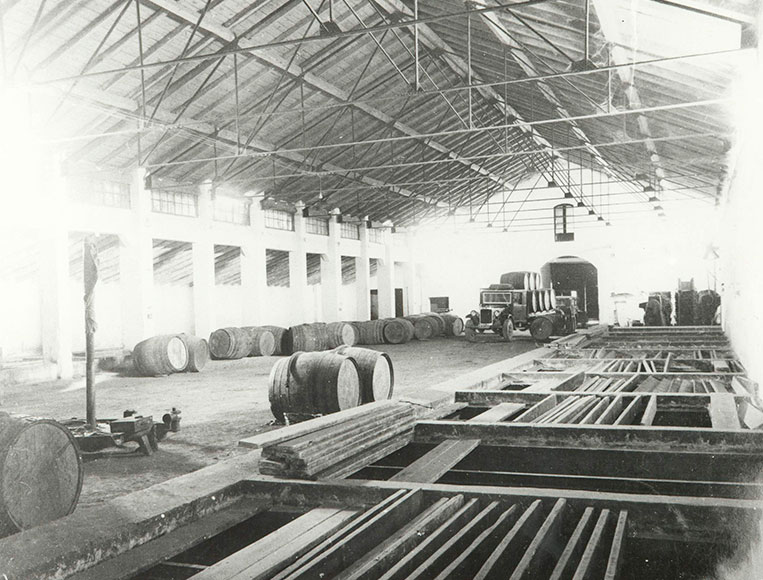
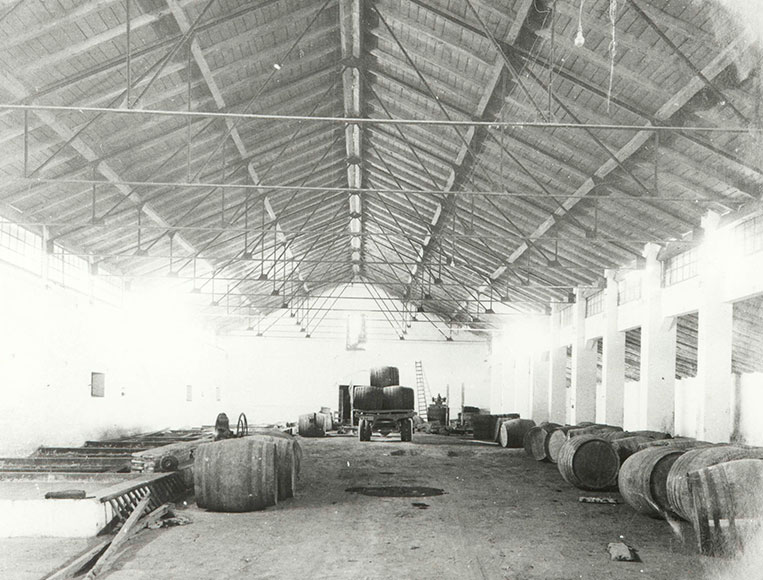
The phylloxera crisis marked a turning point in the history of European wine. In this context, Cariñena strengthened its wine-making and commercial activity and consolidated its market presence with the Cariñena-Zaragoza railway, inaugurated in 1887.

City status as royal recognition
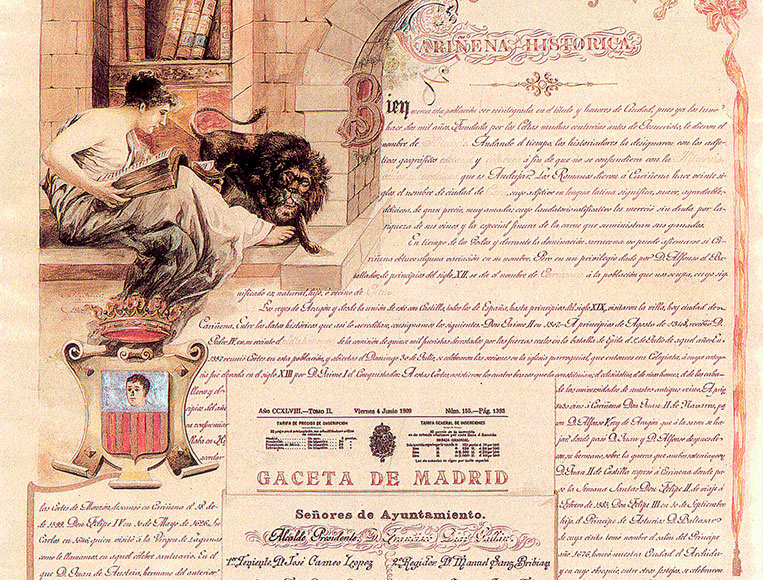
Alfonso XIII granted Cariñena the title of city in recognition of its historical trajectory and the exemplary conduct of its winegrowers in the fight against phylloxera.

Establishment of the Designation of Origin
The Cariñena PDO is officially constituted as one of the first designations of origin in Spain and the oldest in Aragon.

Renewal and expansion
Technical improvements and international outreach have broadened the designation's presence.

Evolving identity
More than two thousand years later, knowledge continues to grow on the same basis: region and work.






“If this wine belongs to you (...) the promised land is near”.
Voltaire, 1773.

“The wine produced in this region is of the best quality, and I have no doubt that it will be much sought after in England as soon as communication by sea is established”.
Joseph Townsend, 1786.

“In Cariñena they make an exquisite wine, particularly known by the name of Garnacha”.
Alexandre de Laborde, 1809